
Something strange came over the Rhodes family the last few weeks. Like many of you, we were overcome with World Cup fever. There’s a few extraordinary aspects of this temporary obsession. First, it led us to spend 20+ hours together in front of the Spanish-only channel, Univision. For some reason, all but a few games aired on ESPN (instead of ABC) which is absent from our basic cable package. But in a splash of providence, nearly all the matches were available on Univision. Ironically, we enjoyed the intensity and hyper-animated calls from the Spanish-speaking broadcasters.
 Watching soccer on a Spanish-only channel is not near as strange as the fact that we were watching soccer, period! Well, that’s only partially true. We are sports junkies and Sara played soccer through high school and has got all our boys hooked on playing the world’s game. But up until about four years ago, it was only my respect for how much soccer players ran during a game that kept me from joining the chorus of cynical American sports fans from completely bagging on the game of futbol. Ties, boring British announcing, players rolling around like they’ve got a knife stuck in their eye only to get up 30 seconds later and continue playing unaffected…I had all the common criticisms. But I hate running and never really could handle any land sport (or any sport other than surfing for that matter). So I always thought, ‘I really can’t say anything about professional soccer because they are spectacular athletes.’ If you were to ask me to willfully schedule our family’s day around viewing a game between teams from different continents I would have laughed out loud. Yet, that is exactly what we’ve done multiple times the last few weeks.
 What on earth could have sparked such a change? The answer is pretty simple. In this case at least, I’ve learned to love what those I love, love. Our oldest son Abe has loved sports in general from about the time he could walk. He took to soccer and has excelled from the time he put on a jersey. Dane has followed with an excitement for the game, and Roman can’t wait to get his first chance on the field next month. Mama Sara is delighted because soccer was her best and favorite sport growing up. In fact, her mom, our kids ‘Nana’, mentioned she played in a league until just a few years before Marni was born. So I married into, and am now raising, a soccer family. Soccer families are ubiquitous, so we’re nothing unique. What may seem unusual though, is I’ve yet to interest any of our four in surfing, a sport that consumed me growing up and still enjoy as often as possible. Believe me, I’ve tried but overtures have been unsuccessful time and time again. “They’re still young,” I tell myself. “There’s still time to get them hooked on the exhilaration of riding waves.” I’m not holding my breath.
For now its soccer, soccer, soccer. And I am loving it. As parents, we’re challenged by the interests and aspirations of our kids. This is something we’re just beginning to encounter. We expect those desires to turn over again and again in the coming years. But my soccer experience is a helpful start to answering the question: How does one be lovingly paternal, without being paternalistic?
Now the Lord God had formed out of the ground all the wild animals and all the birds in the sky. He brought them to the man to see what he would name them; and whatever the man called each living creature, that was its name.
This reminds me of how God told Adam to name the plants and animals in the Garden. He could have told him what to name them. If anyone knew what they should be called, it was God. Yet, he intentionally gave that task to his child. The first thing God had his prize creation do was create. The most basic characteristic of our kids is their creative capacity as God’s image-bearers. There’s a built in tension with this trait because what they want to be or create may not be what we like or value. What is more, we may even know their personality and potential better than they do, especially when they are young. My first couple of seasons watching Abe play soccer, I was a little aloof. I liked that he was having fun and that we were meeting other families. But I wasn’t going to be heartbroken if he decided maybe there’s another sport worth giving a try, especially if it involved neoprene, fiberglass, and saltwater. Fast forward to today and I’m as into it as the rest of our family, hanging on the edge of my seat watching our boys play, carrying that enthusiasm into our living room during World Cup season.
A similar dynamic has been in play over the last few years in our approach to ministry in Ethiopia. When you start spending time with a people who live in huts made of grass, heated by dung or eucalyptus bark, farming with ancient (literally) tools, its hard not to reflect on your thoroughly modern and wonder, “Dude, what is wrong with these people?” Which everyone knows is the first step to effectively empowering others to become all God intended them to be. In all seriousness though, from early on, I’ve wondered, how can we help our friends without acting like we know what’s best, even though in many cases we probably do! I’ve come to see that if we tell them what they need, what they need to do, and how they need to do it, their creative potential is suppressed and they are hindered from embracing God’s purpose for their existence. This is not easy. This philosophy requires patience, a willingness to watch people make mistakes happen and communities develop slowly.
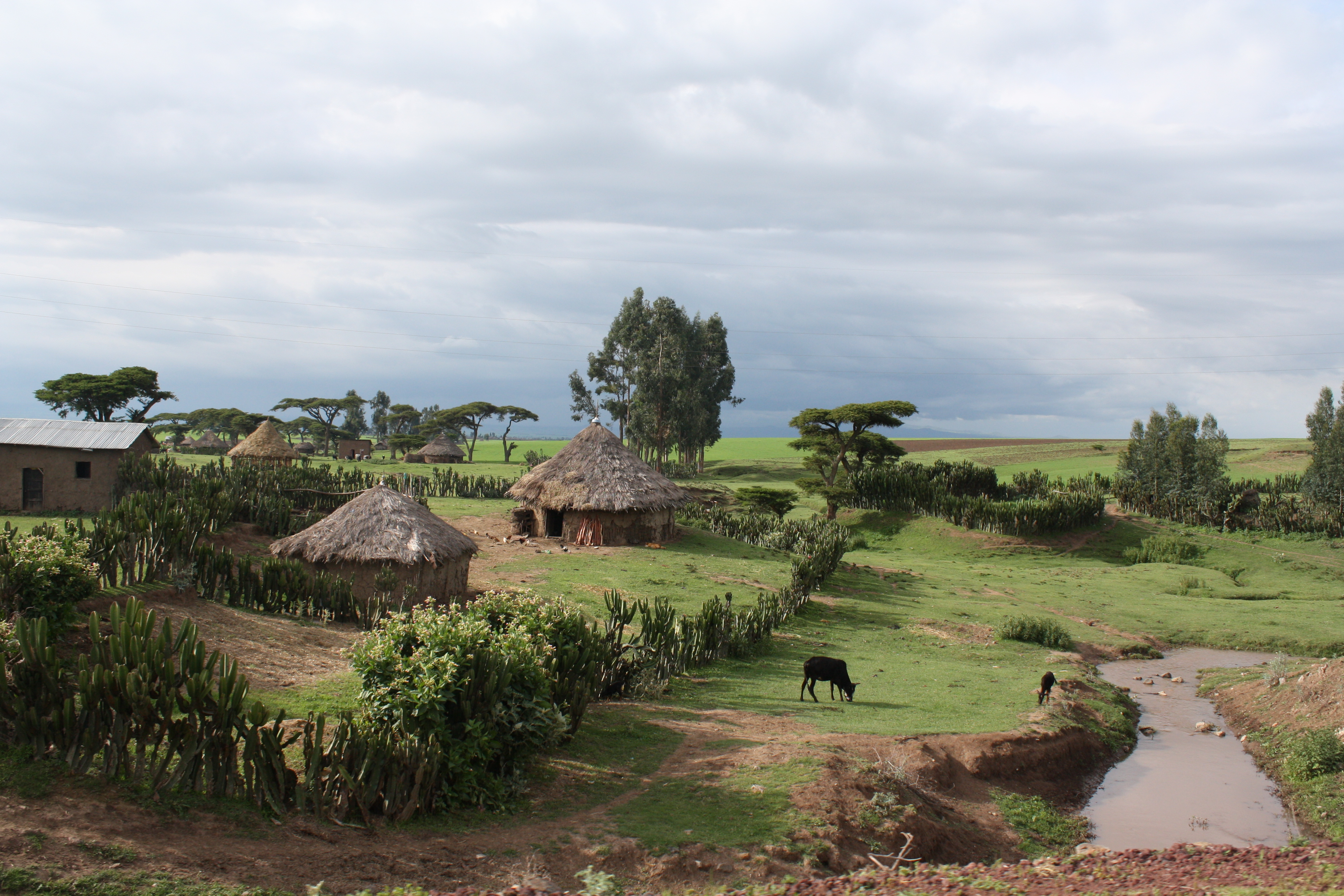
We’ve invested nearly $75,000 in Savings Groups over the last three years. Stories of transformation through these groups abound, but the overall impact is small. To this day, many members do not have access to seemingly basic necessities like clean water, which may have been different if we had used those funds differently. But the SG program, much like our church planting and micro-finance strategy, focuses on releasing the imagination, ideas, and existing resources possessed by our Arsi Oromo friends. Back to the World Cup. I think the lesson of becoming a sucker for soccer is one of servanthood. When we are called to serve another, whether its a child, or the poor, orphan, and widow, we must shed our likes and dislikes, our preferences and perceived wisdom. We have to ask, how can I help this person or these people discover who God created them to be. In that process, we can begin to love what they love and genuinely celebrate this discovery with them. We can go from being a surfer guy to a soccer dad.
 Keep Your Eye on the Rhodes